The What Works Climate Solutions Summit is a high-level conference for evidence-based climate policy that will take place June 9–12, 2024. It will promote and catalyze synthetic evidence on climate solutions for upcoming climate change assessments – particularly the IPCC’s 7th Assessment Report ─ as well as other forms of scientific policy advice.
To achieve this goal, the Summit brings together leading experts on climate solutions, key institutions curating scientific policy advice on climate change such as science assessment bodies (IPCC, UNEP Emissions Gap etc.) and science academies, evidence synthesis communities (Campbell Collaboration, Cochrane, Collaboration for Environmental Evidence, Evidence Synthesis International, Evidence-based Research Network) as well as policymakers, research funders and other users of evidence/stakeholders.
Fostering robust decisions onclimate solutions
Why?
Evidence-based climate policies for meeting the international climate goals
Meeting the international climate goals by limiting warming to well below 2°C requires breaking a 270-year mega-trend of anthropogenic greenhouse gas emissions growth and reducing global emissions to net-zero within the next 30–50 years.
Because anthropogenic carbon emissions have already caused consequential warming of more than 1°C since pre-industrial times, there is a further need to reduce vulnerabilities and adapt to prevailing climate impacts.
There is little scope for delay and error in delivering robust climate solutions. Understanding what climate policies work, under what conditions, and why delivered by a rigorous synthesis of the available evidence is critical for delivering swift, effective and just climate solutions.
Catalysing evidence on effective and just climate solutions
The Summit brings together key institutions curating scientific policy advice on climate change (IPCC, UN Emissions Gaps, national science assessment bodies) and evidence synthesis communities (Campbell, Cochrane, Collaboration for Environmental Evidence, Evidence Synthesis lnternational, Evidence-Based Research Network), as well as funders and experts from relevant scientific communities to make progress on three major goals:
What works? Catalysing rigorous evidence synthesis work across the scientific community: Initiate an ambitious work program on climate solutions and advance evidence synthesis methods for evidence-based policy and the IPCC’s 7th assessment cycle.
Building evidence synthesis capacity: Provide access to high-quality training in and catalyse funding for rigorous evidence synthesis
Communicating change: Establish institutional dialogue on and convey the need for evidence synthesis in research, policy and practice.
Who?
Keynote Speakers
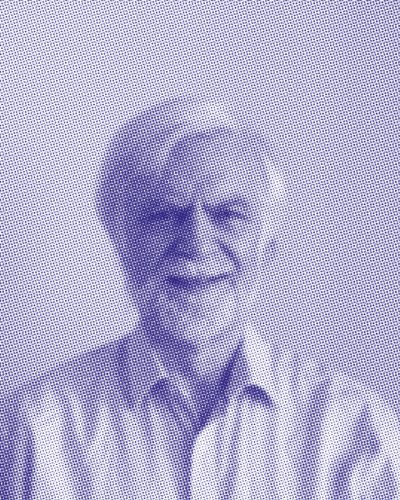
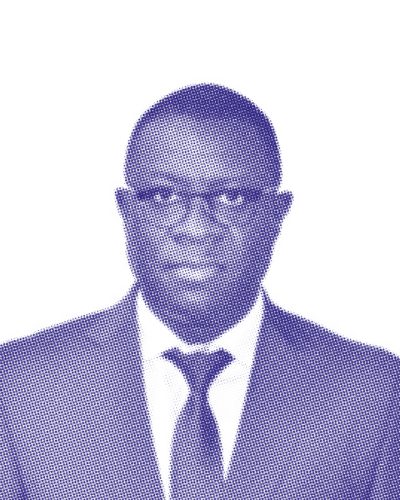
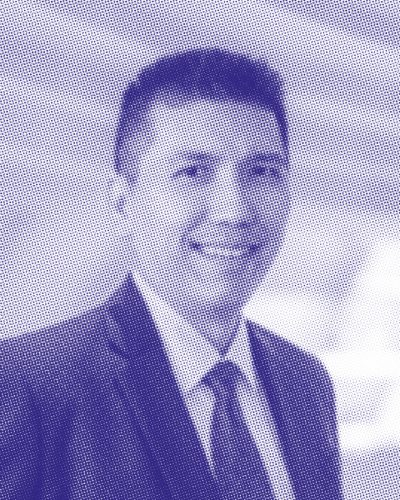
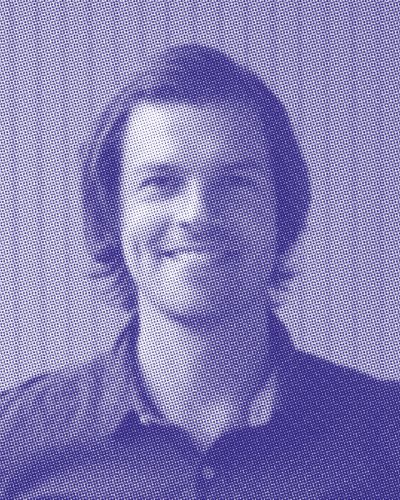
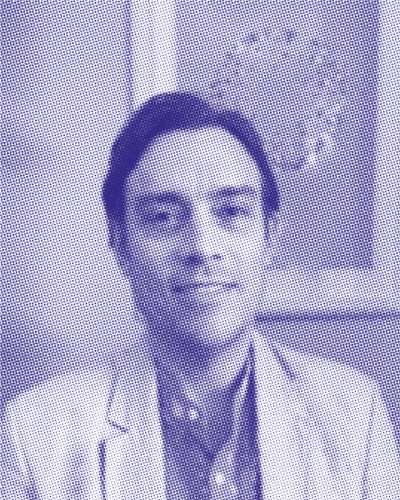
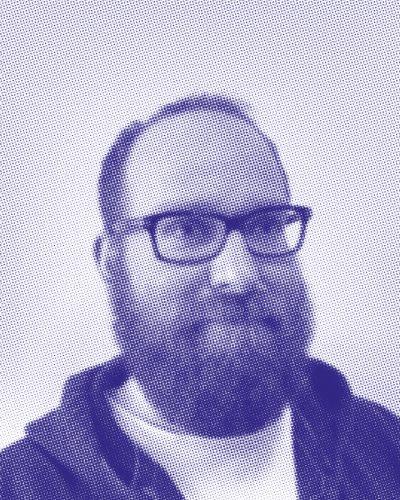
Jim Skea is IPCC Chair for the seventh assessment cycle, Chair of Scotland’s Just Transition Commission and Professor of Sustainable Energy at the Imperial College London (UK).Rohini Pande is Henry Heinz II Professor of Economics and Director of the Economic Growth Center and Inclusion Economics at Yale University.Cheikh Mbow is Director General at Centre de Suivi Ecologique, Sénégal.Samantha Cheng is Director of Conservation Evidence at World Wildlife Fund.Winston Chow is Co-Chair of the IPCC’s Working Group II for its seventh assessment cycle, and Professor of Urban Climate at Singapore Management University’s College of Integrative Studies.Edith Ofwona Adera is Regional Principal Officer and Lead Coordinator, Africa Adaptation Acceleration Program (AAAP) at the African Development Bank Group.Julian Elliott is the founder of the Future Evidence Foundation (producer of Covidence) and the Alliance for Living Evidence (Alive), and a Professor at Cochrane Australia within Monash University’s School of Public Health and Preventive Medicine (Australia).Marina Romanello is Executive Director at the Lancet Countdown: Tracking Progress on Health and Climate Change, Climate Change and Health Researcher at the University College London.Massimo Tavoni is the Director of the European Institute on Economics and the Environment, and full professor of climate economic modeling at Politecnico di Milano.
Scientific Steering Committee
Debra Roberts is Co-Chair of the IPCC for the Working Group II in the sixth assessment cycle and the head of the Sustainable and Resilient City Initiatives Unit in eThekwini Municipality (Durban, South Africa).Karla Soares-Weiser is Cochrane’s Editor-in-Chief and leads the strategic development of Cochrane’s content.Jeremy Grimshaw is Co-Chair of Evidence Synthesis International and Professor at the Department of Medicine at the University of Ottawa (Canada).Jenn Thornhill Verma is Executive Lead for the Secretariat of the Global Commission on Evidence to Address Societal Challenges.Hans Lund is Chair of the EBRNetwork and Professor at the Centre for Evidence-Based Practice at Western Norway University of Applied Sciences in Bergen (Norway).Vivian Welch is the Editor-in-Chief and interim CEO of the Campbell Collaboration and the Director of the Methods Centre at the Bruyère Research Institute (Ottawa, Canada).Jan Minx is Co-Chair of the Campbell Climate Solutions Coordinating Group and Head of the working group Applied Sustainability Science at MCC Berlin (Germany).Lucia A. Reisch is a Professor of Behavioural Economics & Policy and Director of the El-Erian Institute for Behavioural Economics and Policy at Judge Business School at the University of Cambridge (UK).Sarah Whitmee is an Assistant Professor at the Centre on Climate Change and Planetary Health, LSHTM.Felix Creutzig is Head of the working group Land Use, Infrastructures and Transport at MCC Berlin and Professor for Sustainability Economics of Human Settlements at Technical University Berlin (Germany).Lea Berrang Ford is Head of the Centre for Climate and Health Security at the UK Health Security Agency and Professor and Priestley Chair in Climate and Health at the University of Leeds (UK).Promise Nduku is Deputy Director and Evidence synthesis specialist at the South Africa Centre for Evidence.Andrew Pullin is CEO of the Collaboration for Environmental Evidence and Emeritus Professor of Evidence-Based Conservation at Bangor University (UK).Marie Gaarder is Executive Director of the International Initiative for Impact Evaluation (3ie) and Co-Chair of the Campbell International Development Coordinating Group.Debbie Ley is Chief at the Energy and Natural resources Unit of the United Nations Economic Commission for Latin America and the Caribbean and Coordinating Lead Author for IPBES.Adelle Thomas is IPCC Vice Chair for Working Group II for the seventh assessment cycle and Senior Scientist at Climate Analytics and University of The Bahamas. Chandni Singh is a Senior Researcher, School of Environment and Sustainability, at the Indian Institute for Human Settlements.Isabel Fletcher Isabel Fletcher is Technology Manager in the Data for Science and Health team at the Wellcome Trust working on Climate & Health.Niklas Döbbeling-Hildebrandt is a PhD candidate working at MCC Berlin (Germany).Christopher Trisos is the director of the African Synthesis Centre for Climate Change, Environment and Development and Chief Research Officer of the Climate Risk Lab at the African Climate and Development Initiative at the University of Cape Town (South Africa).
Evidence Accelerator Experts
Ruth Garside is Professor of Evidence Synthesis at University of Exeter, Co-Chair of the Campbell Collaboration Methods Groups; Co-Convenor of Cochrane Qualitative and Implementation Methods Group; UK Centre for the Collaboration for Environmental Evidence.Hugh Sharma Waddington is Assistant Professor at LSHTM and Co-Chair at the Campbell Collaboration.Wolfgang Viechtbauer is Associate Professor of Methodology and Statistics at Maastricht University in the Department of Psychiatry and Neuropsychology.